Green Footprints
This programme emphasises environmental responsibility and climate awareness as part of Malaysia’s broader commitment to the aspirations of the Antarctic Treaty System (ATS) by ;
- Promotes sustainable practices and raises public awareness on the importance of protecting Antarctica’s fragile ecosystem, particularly in relation to global environmental challenges such as plastic pollution.
- Reflects the spirit of the Environmental Protocol (Madrid Protocol), which prioritises comprehensive environmental protection in Antarctica.
- Shared global responsibility in supporting the protection and long-term sustainability of the Antarctic environment.
Plastic waste that is slow to decompose not only pollutes the environment but also poses serious risks to human health and wildlife, including ecosystems far beyond its point of origin. In recent years, plastic and microplastic pollution has emerged as a growing environmental concern even in Antarctica, despite the continent having no permanent population. Scientific studies indicate that these pollutants are largely transported from non-Antarctic regions through ocean currents, atmospheric circulation, tourism activities, and global supply chains.
In response to this global challenge, the Green Footprint Programme was designed to educate youth on the far-reaching environmental consequences of plastic consumption. The programme emphasises that everyday actions taken in home countries can have direct and indirect impacts on remote and fragile environments such as Antarctica. Through practical activities and awareness initiatives, participants were encouraged to adopt responsible consumption, waste reduction practices, and more sustainable lifestyles, contributing to the protection of Antarctica and the global environment.
The initiative reinforced the understanding that plastic pollution is a transboundary issue and demonstrated how local actions contribute to the protection of global ecosystems, including Antarctica, reflecting concerns raised at the ATCM.
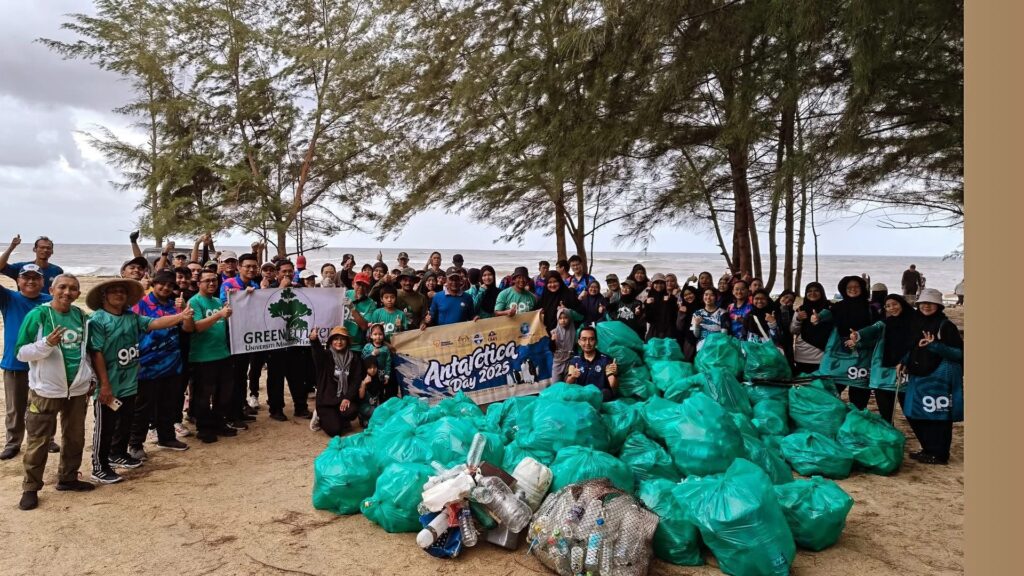
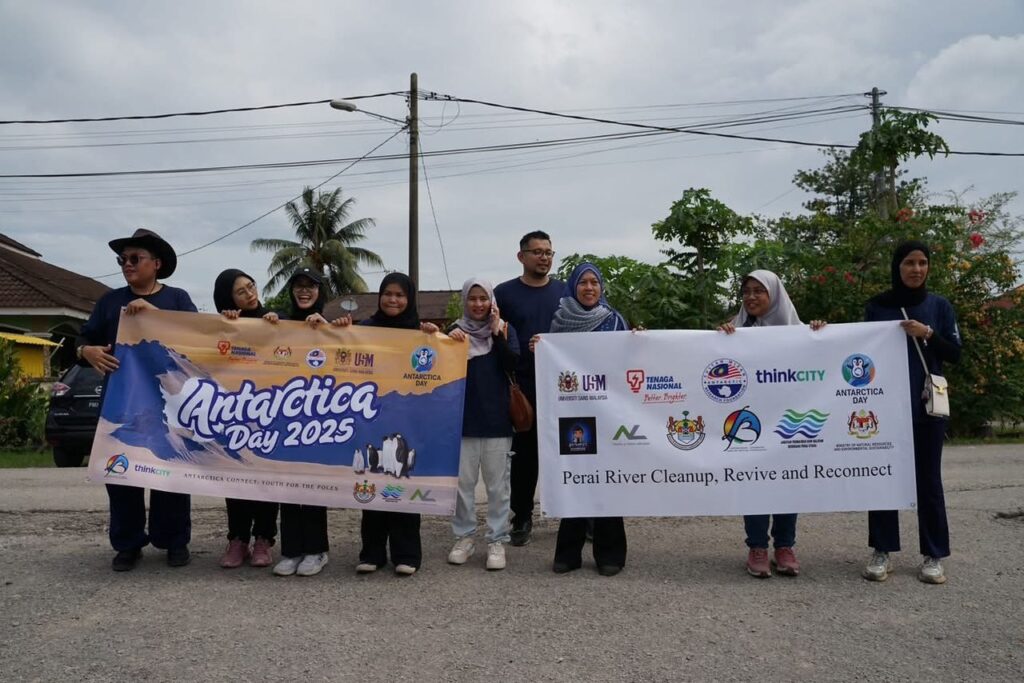
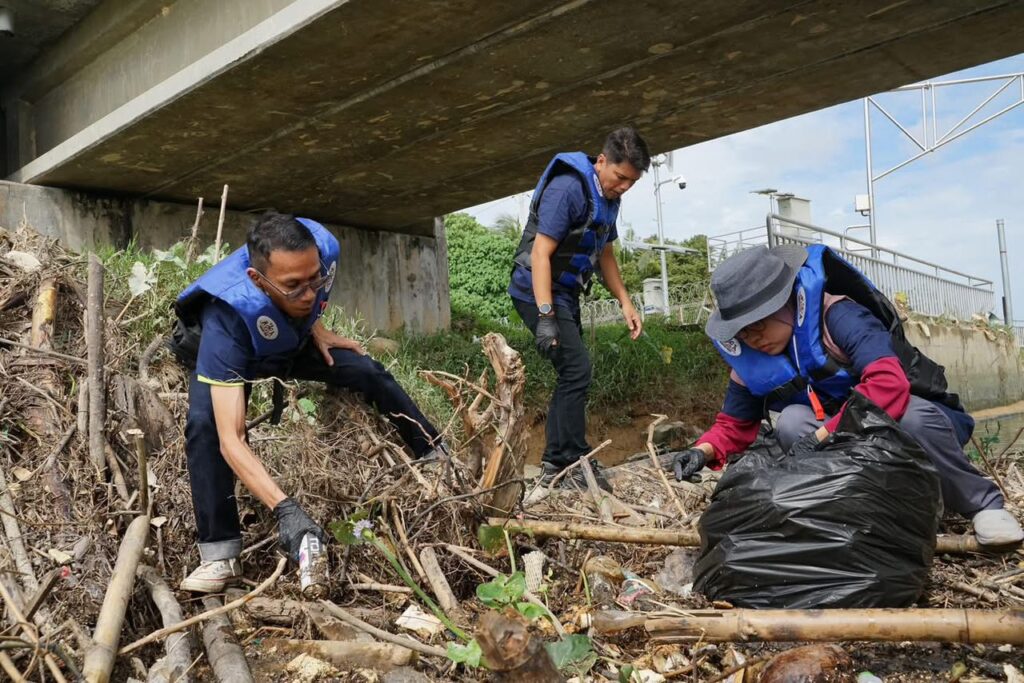
The programme engaged 1,005 participants from universities and local NGOs and successfully collected 1,695.58 kg of waste, including plastic bottles, floating foam, nets, food containers, and metal items, thereby contributing to environmental protection and the long-term preservation of natural ecosystems.