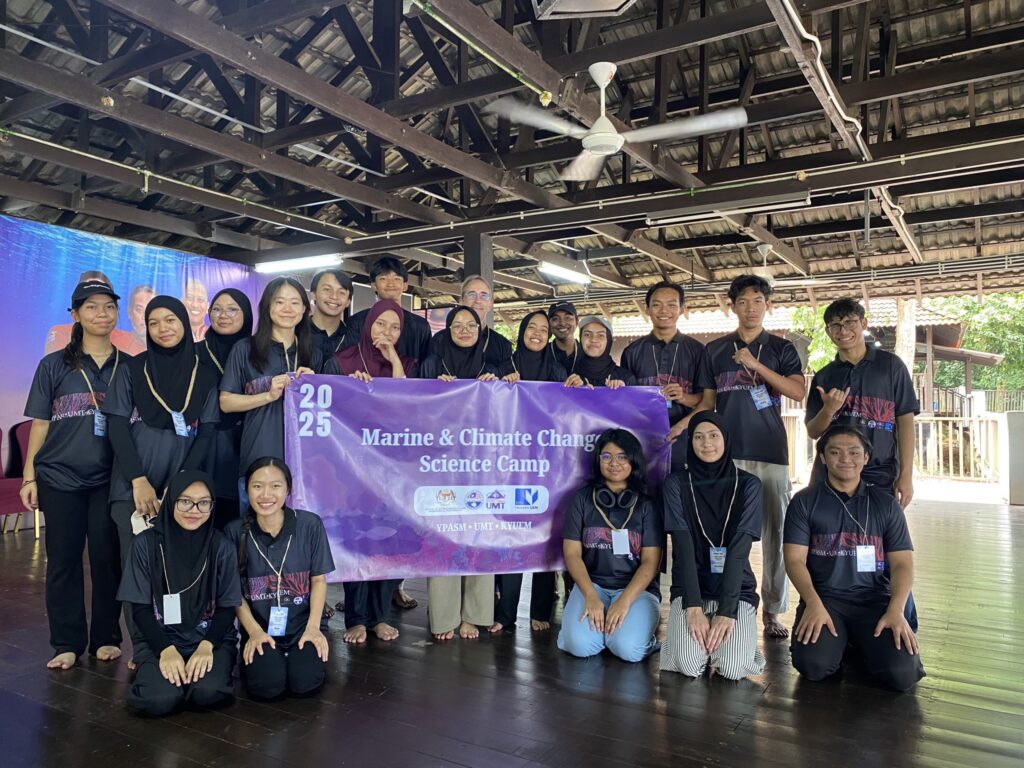
YPASM- UMT Marine & Climate Change Science Camp 2025
An interactive science camp was organized to provide participants with a deeper understanding of climate change and its relationship with the polar regions and marine ecosystems. Through a combination of educational sessions, fieldwork, and hands-on activities, the program offered students valuable exposure to the scientific, environmental, and conservation aspects of climate change.
More than just a learning experience, the camp aimed to inspire and empower young minds to appreciate the interconnectedness between global climate systems, the polar regions, and the world’s oceans. Participants gained insights into how environmental changes occurring in Antarctica and other polar regions can have far-reaching impacts on marine ecosystems and communities worldwide. The program also emphasized the importance of protecting marine biodiversity and promoting sustainable environmental practices to ensure a healthier future for generations to come.
From 10–13 October 2025, a total of 18 students from Kolej Yayasan UEM (KYUEM) participated in this enriching four-day science camp held at Pulau Bidong and Setiu Wetland, Terengganu. The program was jointly organized by Yayasan Penyelidikan Antartika Sultan Mizan (YPASM) and Universiti Malaysia Terengganu (UMT). This collaboration brought together expertise in polar research, marine science, and environmental conservation, providing participants with a unique and meaningful educational experience while fostering a deeper understanding of climate change and its impact on marine and polar ecosystems.
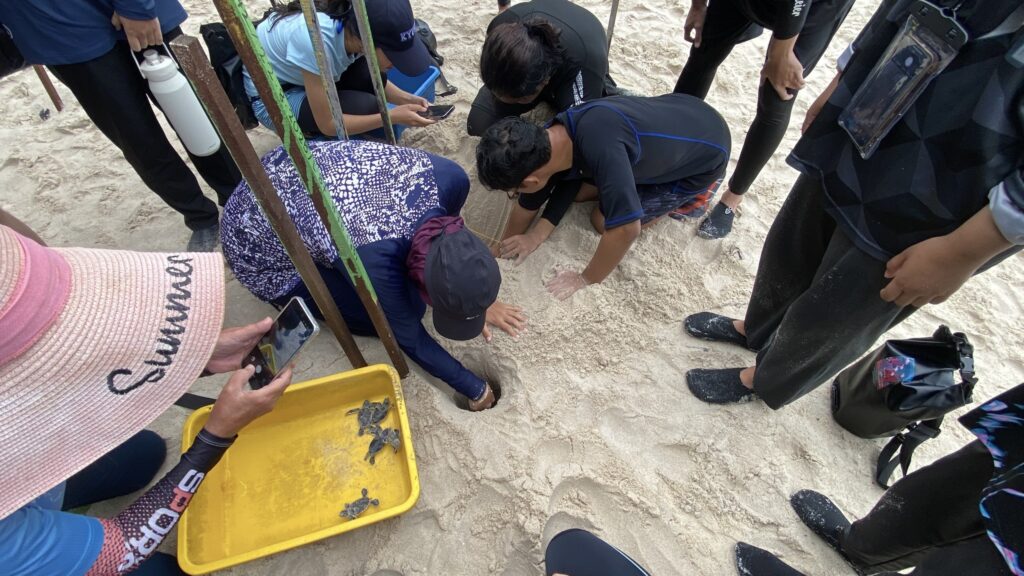
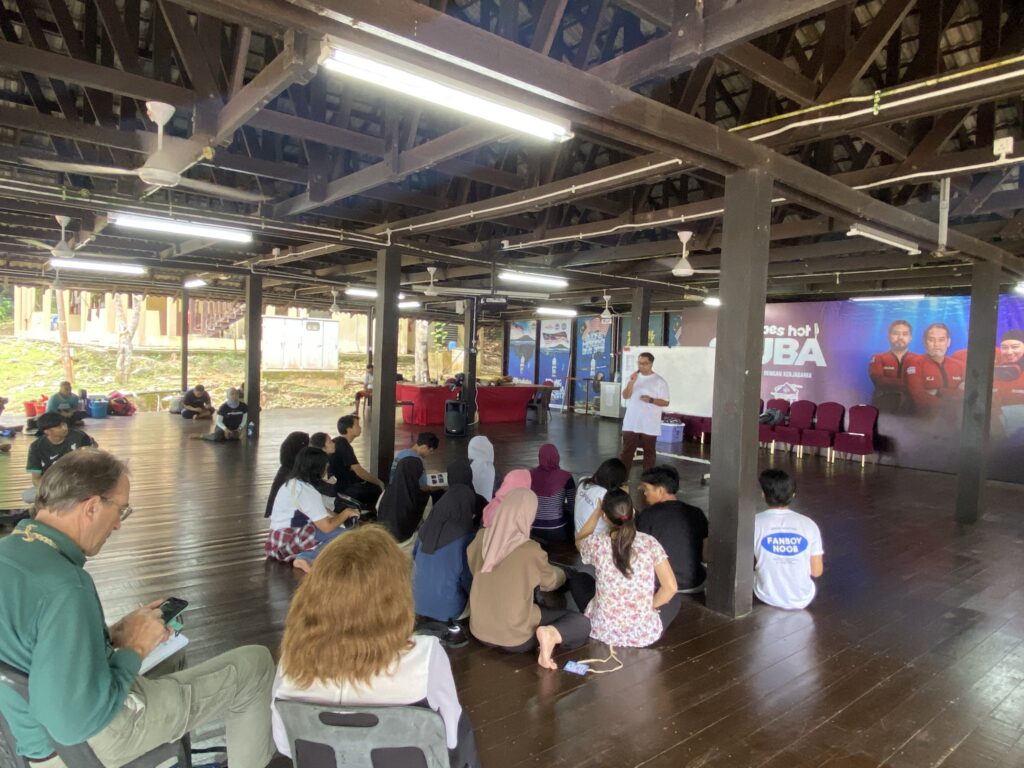
Throughout the four-day program, students engaged in a variety of field-based and experiential learning activities. These included an informative sharing session on Antarctica and Climate Change, coral reef studies, an introduction to benthic ecosystems, and a sea turtle conservation program at Chagar Hutang. Participants also took part in a community sustainability initiative at Setiu Wetland, where they learned about the importance of balancing environmental conservation with community well-being. Through these activities, students developed a greater appreciation for marine ecosystems, environmental stewardship, and the critical role they can play in addressing global climate challeng